Beginner
Mistakes Resulting in a Heavy Backpack
Common beginner mistakes that lead to a heavy pack, and how to fix them.
Quality Lightweight Backpacking Gear for $1000, 15 Lbs
This video isn't for gear connoisseurs. If you're apprehensive about the cost of quality
backpacking gear, I wanted to show you the set of proven, name-brand gear I acquired on a
budget — for about $1000. It's a mix of ZPacks, REI, Columbia, Darn Tough, Salomon,
and a few gifts along the way, and it's held up over 150 miles on the Appalachian Trail
in everything from 45 to 80 degree weather, rain included. Watch here!
Where to Shop
My advice is to shop the full breadth of what's out there. Check the cottage vendors, check a big box store like Walmart, and browse review sites like Outdoor Gear Lab and Adventure Alan. REI.com is my favorite for the actual buying — it's a consistent shopping experience, they list weights for everything, and their outlet section is great for closeout deals. If you have a local REI, even better. Between REI, Walmart, Amazon, and Moosejaw, you can find a lot of good options, and watching gear videos like this one is a good way to pick up tips on what actually works in the field.The Big Three
The tent is an REI Quarter Dome 2P, 3 lbs 5 oz, picked up on a pre-Black Friday sale for $280. The backpack was my big splurge — a ZPacks Arc Haul with a hip belt pocket, $330 and 24 oz, with plenty of capacity. For a sleeping bag, I went with the REI Ambient 36, a 36-degree synthetic-fill bag from REI's closeout section, $74 and 31 oz. Rounding out the sleep system: a Sleepingo pad from Amazon for $40 (15 oz), a Sea to Summit Aeros Premium pillow for $25 (2.3 oz), and a Tyvek groundsheet a friend gave me for free from a house-building project (6 oz).Cook System and Water
For cooking, I run a Toaks 750ml titanium pot ($35, 3.6 oz), an MSR PocketRocket 2 stove ($35, 2.6 oz), a Sea to Summit long-handled titanium spoon ($9, 0.4 oz), a spare lighter, and a small pocket knife for opening packages. For bear bagging, the ZPacks kit with cord and carabiners runs $50 and 3.4 oz. Water filtration is a Sawyer Squeeze ($40, 3 oz) with an Evernew bladder as a dirty water bag ($12, 1.5 oz), and I drink out of reused Smartwater bottles, sometimes with a little Gatorade powder mixed in.Clothing
On the trail I wear Nike running shorts and a synthetic t-shirt that dry out fast — I usually toss the shirt after a week or two on trail rather than fight the smell. Darn Tough socks, one pair worn and one packed, at $18 apiece. Fleece jacket and fleece hat I already owned. For rain, a Glennaker Lake rain jacket, $40 on sale at Bass Pro (no pit zips, and it gets warm fast, but it's worked through a couple of rainy days), plus already-owned rain pants I've genuinely never needed. Salomon Sense Ride shoes have held up for 150-plus miles on the AT plus extra mileage in the Grand Canyon, Zion, and Bryce Canyon.Small Essentials
Aluminum trekking poles from Walmart, about $20–25, work just as well as the carbon-fiber pair I used before. A Princeton Tec headlamp with a red-light mode, $20 and 2 oz. A Deuce of Spades trowel, about $20 and a featherweight 0.6 oz. Then the usual ditty bag items: Imodium, chapstick wrapped in medical tape to save space, toothbrush and toothpaste, a travel mirror for swapping contacts on trail, a digital watch (I'd rather not pull my phone out except for photos or the occasional text), a bandanna or two, toilet paper, a spare pair of underwear, and a compactor bag to line the pack for redundant rain protection — only 2.3 oz and it's kept everything dry through two days of rain so far.The Bottom Line
All told, this kit comes in around 15 pounds base weight for about $1,200 — though some of that was Christmas gifts, so realistically it was closer to $1,000 out of my own pocket. I've hiked about 150 miles with this exact setup over two trips without wanting to change anything. Worth noting: this is a warm-weather loadout, good down to around mid-May temperatures. For a mid-October trip near the Smokies in North Carolina, I added jogging pants, wool sleep socks, and a long-sleeve shirt, which bumped the weight up a bit. If I can put together a kit like this as an average hiker, you can too — get out there and enjoy the trail.
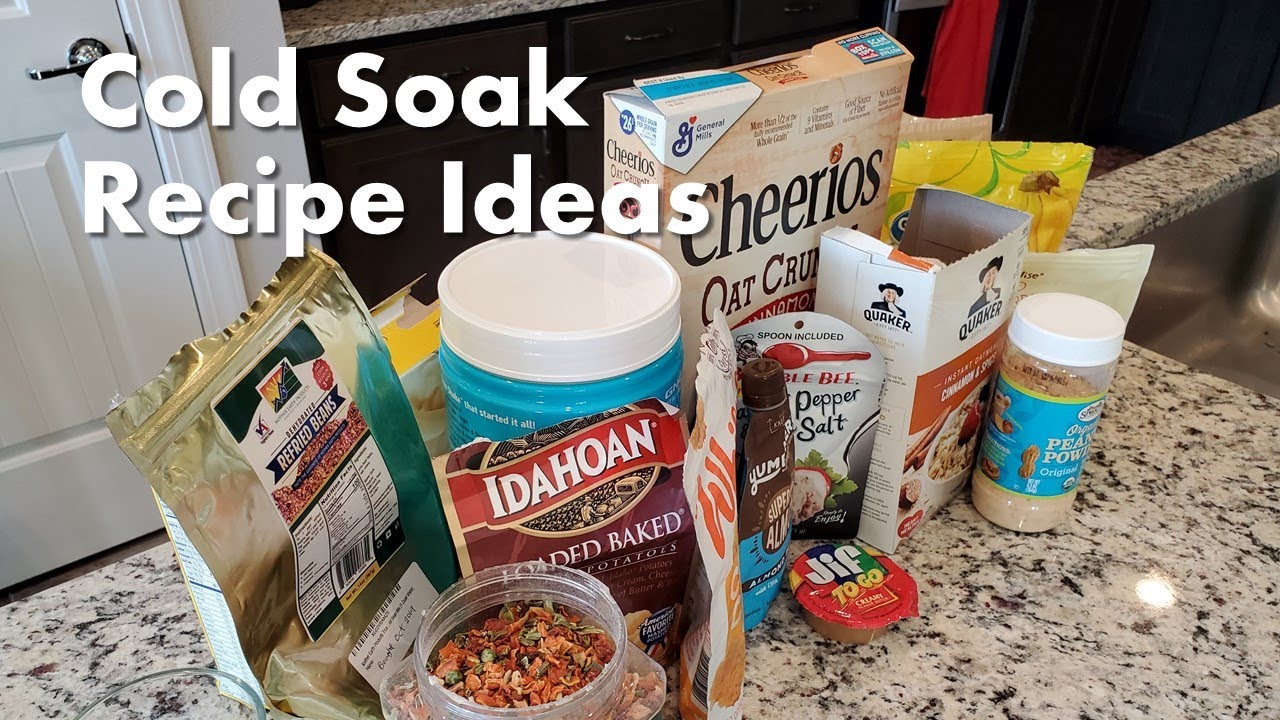
Cold Soak
Recipe Ideas
Stoveless backpacking meal ideas that taste good and pack real nutrition.
Stoveless backpacking meal ideas that taste good and pack real nutrition.
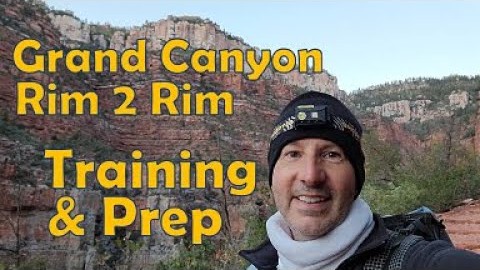
Rim to Rim
Training and Preparation
Training, gear, and nutrition tips for a Grand Canyon Rim to Rim hike.
Training, gear, and nutrition tips for a Grand Canyon Rim to Rim hike.

Follow Me
@cory_outdoors