Cruzbike S40
Recumbent Bike - Ride Along
A 24-mile real-time ride along on the Cruzbike S40, passing road bikes into and with the wind.
Windy Day, Recumbent Bike vs Road Bike Performance in the Wind
Some days you look outside, feel the trees whipping around, and think there's no way
you're getting on a bike. I had exactly that thought from my couch on an 18 mph wind
day - and then decided that was precisely the excuse I needed to run an experiment.
Road bike or recumbent: which one actually handles the wind better? I strapped a
speedometer to both, rode the same stretch of paved trail out and back on each, and
let the GPS data settle the argument.
Not a Lab, Just a Windy Trail
I'll say upfront this isn't a wind-tunnel-grade test. The two bikes aren't identical - different tires, different weights, different gearing - and I rode the recumbent first, road bike second, so there's a warm-up variable in there too. But I was under heavy tree cover for most of the ride, which kept my dialogue reasonably clean despite the gusts, and I think the comparison still says something useful about how these two bike styles behave when the wind picks up.The Bikes: A Real Apples-to-Oranges Setup
The road bike was running 25mm tires around 85 PSI and came in roughly five pounds lighter than the recumbent, plus I had clipless-style pedals on it. The recumbent - my Cruzbike - was set up with 32mm tires with tread at about 65 PSI and no clips, just flat pedals for convenience. None of that is a fair fight in the strictest sense, but it's also just how I actually ride both bikes day to day, which made the results more relevant to me than a perfectly controlled test would have been.The Numbers
Splitting the nearly-three-mile ride into one-mile segments told the real story. Heading out with a tailwind, the recumbent hit 20.1 mph average for the first mile against 19.2 mph on the road bike - recumbent ahead. But once I turned around and started fighting the wind, the tables flipped: the road bike actually edged ahead, 17.8 mph to 17.6 mph on the second mile, then pulled further ahead on the third mile, 15.6 mph to 14.6 mph. Top speed told a similar story - 25.3 mph on the road bike versus 23.4 mph on the recumbent. Overall average speed came out to 17.5 mph on the road bike versus 17.2 mph on the recumbent - closer than I expected, but the road bike ultimately came out on top on paper.What Surprised Me
Going in, I expected the recumbent's lower, more aerodynamic position to be the clear winner into a headwind. Instead, the road bike's lighter weight and narrower tires seem to have outweighed the aero advantage on this particular course and setup. The gap between "with the wind" and "against the wind" speeds was also far more dramatic on the road bike - it rockets when the wind's at your back and then drops off hard when you turn into it. The recumbent's swing between the two conditions was noticeably smaller and steadier.How It Actually Felt
Numbers aside, the recumbent was simply more pleasant to ride straight into the gusts. I never felt that gut-punch of a headwind gust the way I did on the road bike, where every strong gust hit me square in the chest. On the flip side, the road bike's higher top speed with a tailwind was genuinely exciting - there's a rush to going that fast that the recumbent just doesn't replicate in the same way.The Takeaway
If you're cross-shopping a road bike against a recumbent and wondering how they stack up in real wind, the honest answer is: it depends what you value. The road bike was faster on paper in this test, especially battling a headwind, but the recumbent delivered a calmer, more consistent ride regardless of wind direction. Neither one is wrong - it just comes down to whether you want raw speed or a smoother, more even experience when the weather isn't cooperating.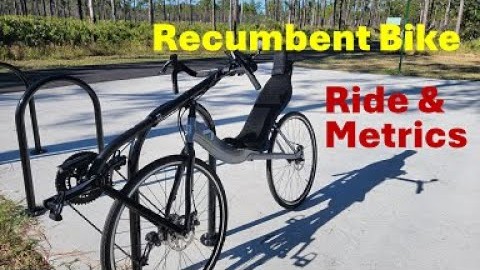
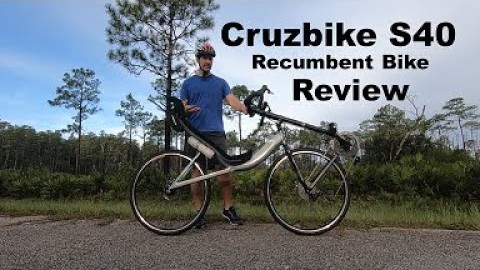
Cruzbike S40
Recumbent Bike Review
A full rundown of features, accessories, and riding tips for the Cruzbike S40.
A full rundown of features, accessories, and riding tips for the Cruzbike S40.
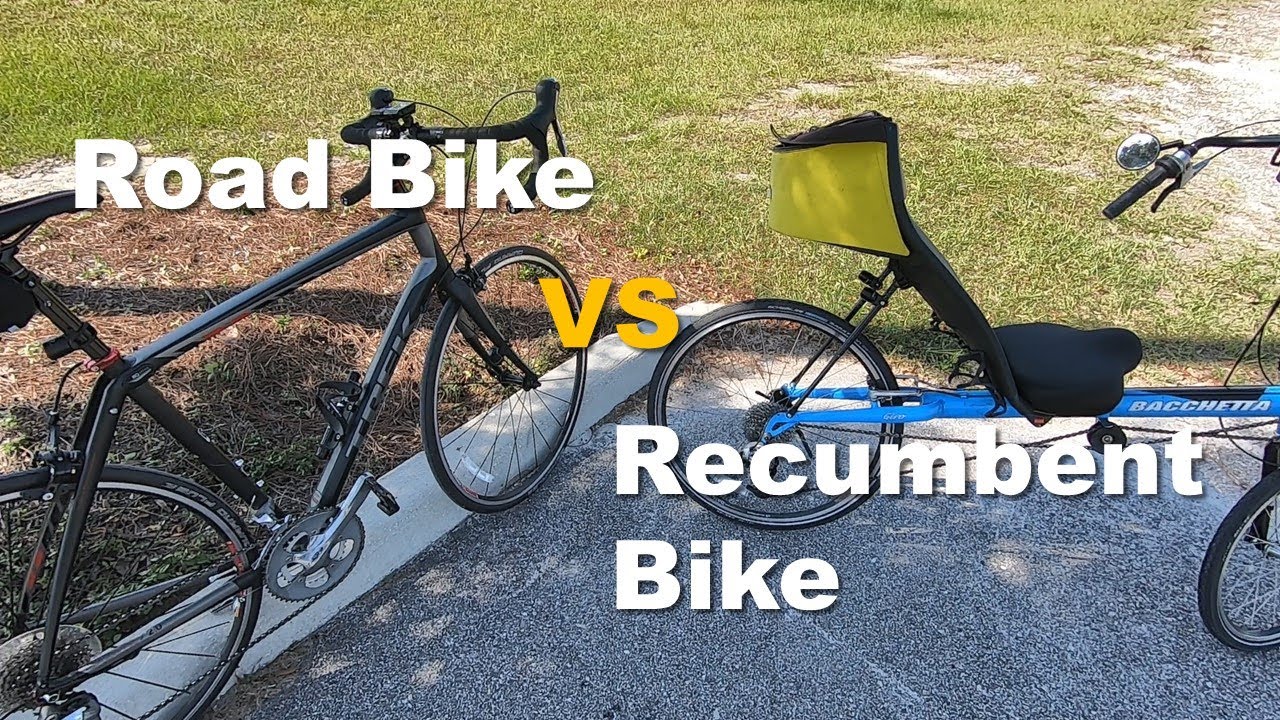
Recumbent vs Road
Bike Comparison, Pros and Cons
An unbiased breakdown of comfort, speed, distance, and price between the two.
An unbiased breakdown of comfort, speed, distance, and price between the two.

Follow Me
@cory_outdoors