Recumbent
Bike, Good News and Bad News
Selling the Bacchetta Giro 20 after eight years and introducing the Cruzbike S40.
Cruzbike S40 Recumbent Bike Review
After introducing my new Cruzbike S40 in my last video, it was time to actually
live with the thing. With about 150 miles in the saddle, here's everything I've
learned about the features, the accessories I've added, what the ride actually
feels like, and a few tips for anyone thinking about picking one up.
Front Wheel Drive Changes Everything
The headline feature is right there in how the S40 moves: it's a front-wheel-drive recumbent. Most recumbents run a long chain back to a rear wheel, but the Cruzbike sends the power straight to the front, which opens up some capabilities you just don't get on a traditional layout.Fully Adjustable, Aluminum, and Light
The boom adjusts as a full unit front to back, and it also telescopes shorter or longer on its own, which lets you dial in the pedals and the handlebars independently. Cruzbike says the S40 fits riders from 5'2" up to 6'5" as-is, with even more range possible beyond that. It's built on an aluminum frame, which keeps it light, and the center of gravity sits surprisingly high and far forward rather than out back - all of which adds up to a bike that feels quick. Component-wise I'm running a mix of SRAM Apex, Rival, and GX, disc brakes, and 700x32 tires, though you could size down to something narrower for more of a road feel.How I've Accessorized It
I kept the add-ons practical. There's a cheap Amazon phone mount (an Andobil, $20-30) angled in landscape so it's easier to swing a leg over the bike, plus a small rear-view mirror mounted on the left side, which is the right spot for checking over your shoulder on US roads. A Rock Bros top tube bag straps to the headrest and holds my repair kit - it's water resistant and stays nicely tucked out of the wind. I added a bright red rear light for early, late, or low-visibility riding, plus Cruzbike's own bottle holders (with the spacers this seat requires) for two-bottle capacity that still stays aerodynamic. There's also an adjustable rear rack ready for panniers if I want to load it up for a bikepacking trip, and a small front-mounted peg for a cheap headlight up front.What the Ride Actually Feels Like
Coming from my old Bacchetta Giro 20, this took some relearning. Front-wheel drive means your leg power actually influences the steering, which was new to me. It only took about five minutes to make the bike rideable, but closer to ten miles before I felt genuinely comfortable, and by 90 to 100 miles it had become second nature - to the point where I'm riding one-handed without a second thought. The seat angle is excellent, comfortable enough that I could see doing a full century on it, and the seat itself is nicely contoured. The real payoff of the front-drive layout is that you can pull on the handlebars the way an experienced road racer pulls their body into the pedals, which translates into real extra power for climbing. At roughly 25 pounds, the bike is light, and I'll say it plainly - I'm faster on this than I was on the Bacchetta.Riding Tips From My First 150 Miles
The biggest surprise for me was learning that your legs help steer the bike, not just your hands - some riders get good enough to go hands-free entirely. In practice that means you only need a light grip on the handlebars, just enough pressure to keep things tracking straight, not a death grip. It's a genuinely different feel from a traditional bike, where pedaling and steering are completely separate jobs, but once it clicks, it clicks for good.The Verdict So Far
There was nothing wrong with the Bacchetta - I just wanted something new, and the Cruzbike S40 has delivered. Between the adjustability, the lightweight build, and the extra power you can generate through the front-drive design, it's turned into my favorite bike in the stable. A performance comparison against my road bike is still on the list, but the early verdict is simple: this bike is fast, comfortable, and worth the short learning curve.
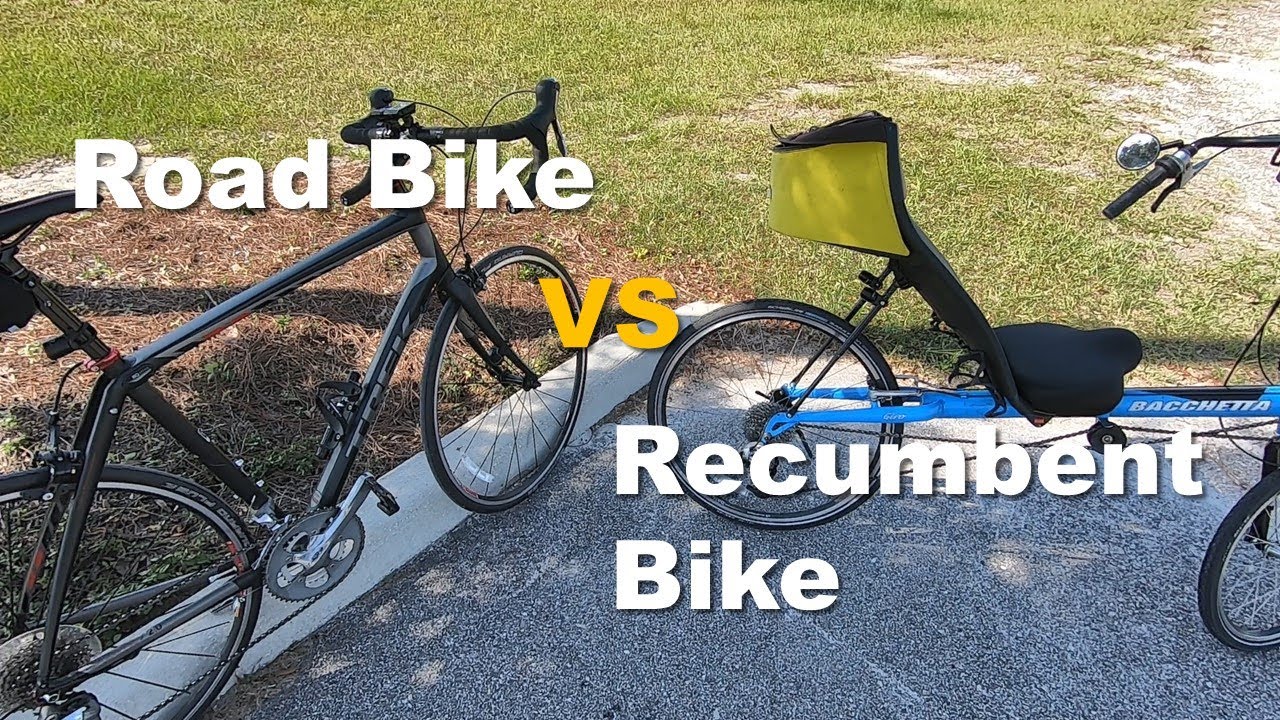
Recumbent vs Road
Bike Comparison, Pros and Cons
An unbiased breakdown of comfort, speed, distance, and price between the two.
An unbiased breakdown of comfort, speed, distance, and price between the two.
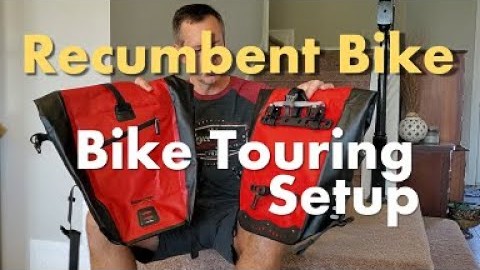
Recumbent
Bike - Bike Touring Setup (bikepacking)
How I rig panniers and rack space on my recumbent for touring.
How I rig panniers and rack space on my recumbent for touring.

Follow Me
@cory_outdoors