Cycling in the
Heat, Hot Bike Ride in Florida
Route planning, clothing, hydration, and heat safety tips for cycling in the Florida summer.
Bike Ride Showing Hurricane Milton Damage
The morning after Hurricane Milton made landfall, I hopped on the bike for a 25-mile
ride around my home area just to see how things fared. We were fortunate to be about
60 miles north of where the storm actually came ashore on Florida's west coast, but
there was still plenty to document.
A Very Wet Storm
The first thing I wanted to show was just how saturated everything was. We picked up around 15 inches of rainfall in about 12 hours, so while I didn't see a ton of wind damage on my route, the ground itself told the story - watersheds and drainage areas were completely full.Trees Down Everywhere
All that rain saturated the soil and weakened root systems, so pine and oak trees took the brunt of it. I rode past leaning pines, toppled oaks, and one big tree that had snapped in the wind and fallen straight into the water. Another had come down right onto a guardrail, and a big mature pine had toppled onto a brick wall - dramatic scenes that really only needed a slow bike ride to take in.The Numbers Behind It
For some context, Milton made landfall about 60 miles south of my location, and even up where I was, we felt gusts up to around 100 mph with sustained winds of 70 to 80 mph at the storm's peak. Some spots on my route showed barely a scratch - a blown-off fence screen here and there - while other areas had significant tree damage just a street away.Grateful for a Close Call
It's a strange feeling riding through a mix of untouched neighborhoods and genuine storm damage in the same few miles, knowing that communities to the south dealt with flooding and much worse. This was meant to be a quick, honest look at what a near-miss with a major hurricane actually looks like on the ground - not dramatic, but a good reminder of how much a storm like Milton can move even well outside its direct path.
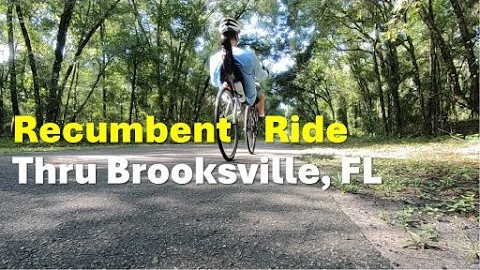
Recumbent Bike Ride through Brooksville Florida
A 57-mile recumbent ride on the Cruzbike S40 through Brooksville and the Withlacoochee State Trail.
A 57-mile recumbent ride on the Cruzbike S40 through Brooksville and the Withlacoochee State Trail.
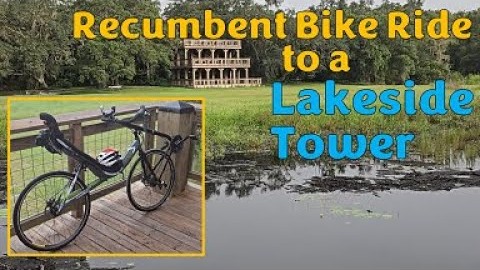
Recumbent Bike
Ride to a Lakeside Tower
A 45-mile ride to a new lookout tower at Crews Lake Park, with Sandhill Cranes along the way.
A 45-mile ride to a new lookout tower at Crews Lake Park, with Sandhill Cranes along the way.

Follow Me
@cory_outdoors