Windy
Day, Recumbent Bike vs Road Bike Performance in the Wind
An 18 mph wind-day experiment comparing recumbent and road bike speed with real GPS data.
Cycling in the Heat - Hot Bike Ride in Florida
I found some shade on a mid-July ride to talk through something every Florida cyclist
deals with sooner or later: how to handle riding in serious heat. This isn't medical
advice - just the approach I've worked out for myself over a lot of hot, humid miles,
and it's worth saying up front that physical activity in the heat can be dangerous, so
take it as one rider's perspective, not a plan for your situation.
It Starts With Route Planning
Before I even leave the driveway, I check the weather - temperature, chance of thunderstorms, and wind. A breeze makes a huge difference, and on the day I filmed this, there wasn't any. I also think about tree cover along the route, and not just whether it exists, but where. A shaded start with a completely exposed finish is a rough way to end a ride. I make sure I've got cash on me in case I want to grab a cold drink somewhere along the way, and of course my phone comes with me in case I need to call it short.Clothing That Actually Helps
I stick to light, thin, moisture-wicking fabric in light colors - white and yellow reflect the sun, while dark clothing just soaks it up. Even a long sleeve works if it's a breathable material like a fishing shirt. For sun exposure on longer rides, I like a bandana tucked under my hat to cover the back of my neck; there are also helmet-mounted sun capes out there that cover the whole neck and add airflow while you ride.Water and Electrolytes
Any ride over about an hour and a half gets two insulated 24-ounce bottles. The insulation only buys so much time - even packed with ice, it's usually melted within that first ninety minutes - but I keep drinking anyway, because at that point it's less about cooling and more about replacing what I'm losing through sweat. I start with electrolytes in the bottles and keep adding them to any water I refill with through the day. I've tried powder, concentrate, and tablet forms, and quality varies quite a bit between brands.
Nutrition matters too, even if it's a smaller piece of the puzzle than hydration. A
bar or some trail mix with decent protein keeps my body in good shape for longer
rides in the heat.
Conditioning and Listening to My Body
How far I push myself depends heavily on what I've been conditioned for. If I've been riding consistently as spring turns into summer, I've got a good sense of what my body can handle. If I haven't built up that heat tolerance, I don't plan a long trip - jumping straight into distance riding in serious heat without working up to it is asking for trouble.
During the ride itself, I pay close attention to my core temperature and don't
ignore it. There are no shortcuts once it's elevated - the only fix is shade, stopping
the effort, and finding something cold to drink or air conditioning if it's available.
One warning sign for me personally is a kind of tunnel vision, things looking a little
shiny, and that's my cue to get out of the sun immediately. I also watch for the
classic heat stroke signs like nausea, even though I haven't experienced that myself.
When Things Get Serious
If it does get serious, it all comes back to the same fundamentals: get to shade, use the money and phone I planned to bring, find something cold, and be willing to cut the ride short. There's no ego in stopping early - bouncing back from real heat illness isn't quick, so prevention and a willingness to bail out beat pushing through every time. I'll keep riding through Florida summers because I love cycling, but managing the heat carefully is just part of that deal.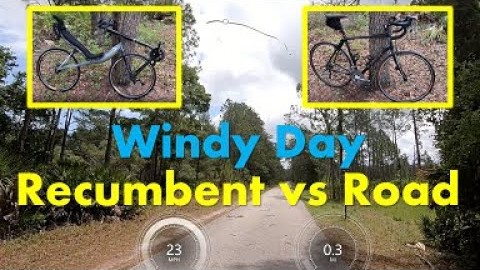
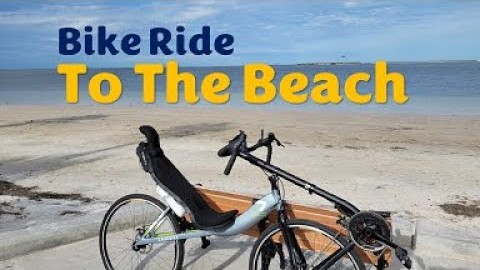
Bike Ride
to the Beach, Sunset Beach in Tarpon Springs Florida
A 35-mile round trip recumbent ride from the Starkey Gap Trail to the Gulf of Mexico.
A 35-mile round trip recumbent ride from the Starkey Gap Trail to the Gulf of Mexico.
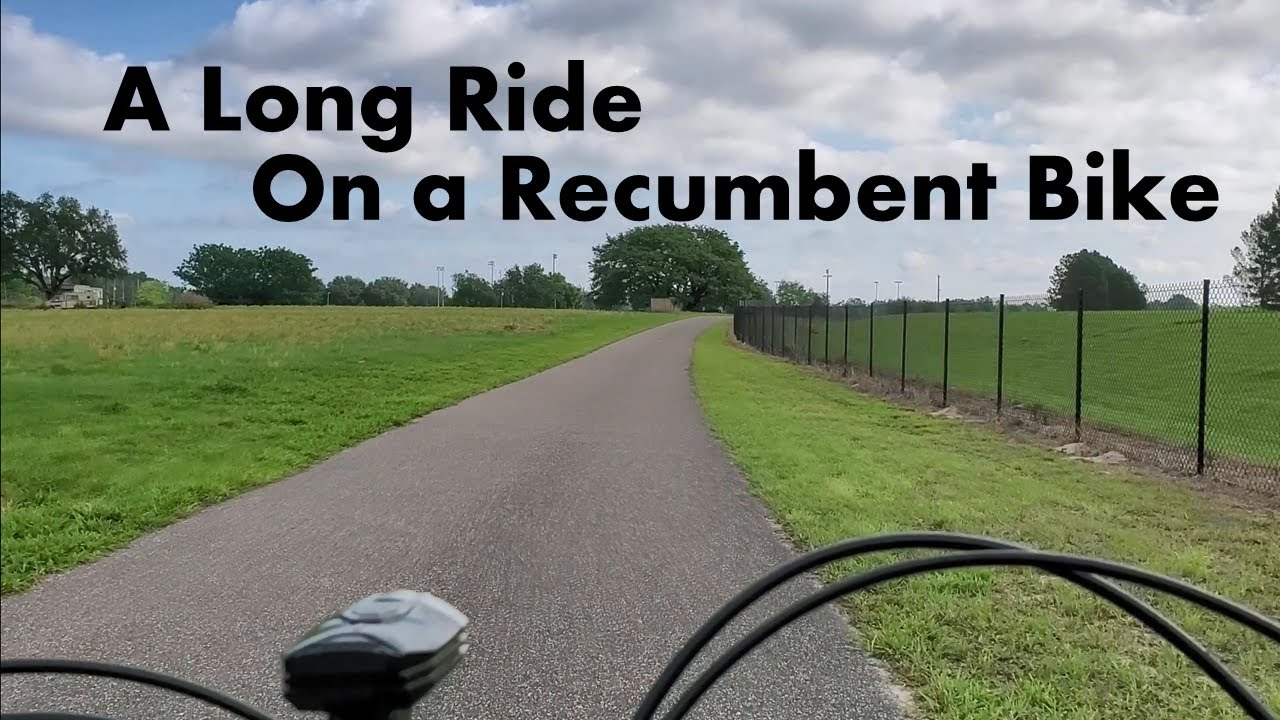
A Long
Recumbent Bike Ride - Plus a Tortoise
Nutrition and hydration lessons from a 72-mile recumbent ride.
Nutrition and hydration lessons from a 72-mile recumbent ride.

Follow Me
@cory_outdoors