AT 2025, Days
33-35: Sam's Gap to Curley Maple Gap
Big Bald views and a raft crossing of the Nolichucky River in Erwin, TN.
Appalachian Trail 2025, Days 36-39: Curley Maple Gap Shelter to US 19E
This section pushes north from Curley Maple Gap Shelter through Unaka Mountain, a
six-mile Hurricane Helene reroute, and the wide-open balds above Carver's Gap, before a
tough climb over Roan High Knob and a final push to US 19E at mile 395. Watch here!
A Dry Night Before the Rain
I got lucky the night before this section started, sleeping in the upper deck of Curley Maple Gap Shelter while rain fell outside — a good call, and made better by company, since a hiker from Michigan wandered in around 6:30 and we got to chatting. From there the big decision of the day was Unaka Mountain, a 5,000-footer looming ahead: camp near the summit, or push all the way over it in the rain? I opted to go for it, knowing there was also a Hurricane Helene reroute coming up and a shelter to avoid because of bear activity — all things to plan campsites and water sources around on a week that was shaping up wet.Beauty Spot and the Helene Reroute
The rain held off just long enough for lunch before soaking back in, and by the time I climbed up to Beauty Spot — a charming, wildflower-covered meadow bald normally good for long mountain views — visibility was rolling in and out, so the views were more "felt" than seen. Not long after, I hit the six-mile Hurricane Helene reroute and found a decent campsite about two miles in, near a stream, with a bonus waterfall just off the trail. It rained on and off most of the night, but I managed to pitch the tent during a lull and kept my gear mostly dry.Drying Out on Iron Mountain
The next morning brought a genuinely steep detour climb — something like a 40 degree incline — but the rain finally broke. I found a patch of full sun and practically celebrated, laying out my tent and pack to dry after a soggy stretch. From there it was up and over Iron Mountain, past a striking rock outcropping at the summit, and down into Greasy Creek Gap before a windy climb up to an overlook on Little Hump Mountain — the kind of long-range view that hits different after a full day of rain with barely another hiker in sight.Climbing Roan High Knob
After a stop at Hughes Gap, marked with a plaque honoring the Hughes family, I had to keep pushing because every listed campsite nearby was still knocked out from Hurricane Helene. I ended up camping partway up Roan Mountain around 4,700 feet, then finished the climb the next morning — a mile of steady, gradual pitch that turned into real wind and mist near the 6,100-foot summit, high enough to generate its own weather. Roan High Knob Shelter, right at the top, is the highest shelter on the entire Appalachian Trail, and the spruce forest up there smelled incredible.The Balds and an Old Family Memory
The descent brought me into Carver's Gap, a spot I'd actually visited 12 to 15 years earlier on a family trip to hike the same balds I was about to climb again. With a little sun finally breaking through, I headed up Round Bald and then Jane Bald at 5,807 feet, soaking in views I remembered from that earlier trip. That night was a full house at Stan Murray Shelter — six hikers packed in plus several tenters, plenty of snoring, and maybe three or four hours of actual sleep.Little Hump, Big Hump, and Mile 395
The final push wound over Little Hump Mountain and then Big Hump Mountain — another 500-foot climb after dropping 400 feet between them — with rain returning just in time to break out the umbrella again. Big Hump Mountain turned out to be one of the real highlights of the whole trip: I emerged from the clouds into open views over fields of wildflowers and old fence lines, easily rivaling the balds back at Carver's Gap. From there it was a long descent to US 19E at mile 395.5, where I called it, checking into Appalachian Station Hostel for the night before meeting my wife the next evening at Mountain Harbour Bed and Breakfast for the drive home.Reflecting on the Section
It was a genuinely tough week — rain most nights, a six-mile reroute, and several shelters and campsites knocked out by Hurricane Helene that forced some longer days than planned. But it also delivered some of the best scenery of the whole trail so far, bald after bald after bald. Counting the approach trail miles from years back, this section pushed my cumulative total past 400 miles on the Appalachian Trail, and closed out Georgia and North Carolina for good — just a stretch of Tennessee left before crossing into Virginia.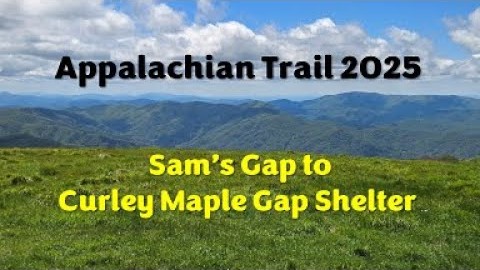
AT 2024, Days
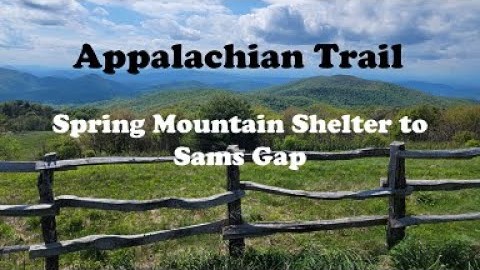
30-32: Spring Mountain to Sams Gap
Blackstack Cliffs, mile 300, and a trip cut short at Sams Gap due to knee pain.
Blackstack Cliffs, mile 300, and a trip cut short at Sams Gap due to knee pain.
Grand Canyon Rim 2
Rim
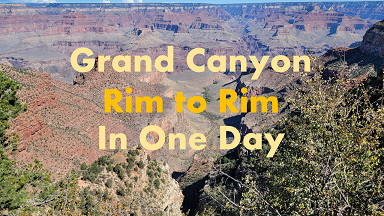
Hiking the Grand Canyon from North Rim to South Rim in one day.
Hiking the Grand Canyon from North Rim to South Rim in one day.

Follow Me
@cory_outdoors